

Have you just moved to Germany to start an apprenticeship or a degree? Then one trip to the authorities is at the very top of your list, and nobody can skip it: registering your address, known in German simply as the “Anmeldung”. It sounds bureaucratic, but it is perfectly manageable once you know what to expect. This is the way from moving in to your certificate of registration:
- Moving inday 0
- Landlord’s confirmationfrom your landlord
- Appointment at the Bürgeramtwithin 2 weeks
- Certificate of registrationhanded over at the appointment
Why registration matters so much
Anyone who moves into a home in Germany must register with the local registration office. This is required by the Federal Registration Act (Bundesmeldegesetz). For you, though, registration is above all the key to many further steps. After your appointment, you receive a certificate of registration (“Meldebescheinigung”). You will need it, for example, to:
- open a bank account,
- get your tax identification number, which your employer needs to pay your apprenticeship wage,
- apply for or extend a residence permit at the immigration office (Ausländerbehörde),
- sign up for a mobile phone contract.
Registering step by step
- Keep an eye on the deadline You must register within two weeks of moving in. It is best to look for an appointment before you move, as soon as you know your move-in date.
- Get your landlord’s confirmation The landlord’s confirmation of residence (“Wohnungsgeberbestätigung”) confirms that you have actually moved into the flat. Your landlord is required to issue it. Among other things, it states the landlord’s name, the address of the flat and your move-in date.
- Book an appointment at the citizens’ office The citizens’ office (“Bürgeramt”) of the city where your new home is located is responsible.
- Prepare your documents The checklist further down shows what goes into your folder.
- Go to your appointment You are entered in the population register and receive your certificate of registration.
Booking your appointment at the Bürgeramt
In some cities, the citizens’ office is also called Bürgerbüro or Einwohnermeldeamt. In Duisburg, Dortmund, Essen and most other cities in North Rhine-Westphalia, you can book your appointment online. Search the internet for “Bürgeramt Termin” together with the name of your city.
Documents for your appointment
What goes into your folder

Put everything into a folder the evening before. That way, you have every document at hand during your appointment.
Certificates in a foreign language sometimes need a translation. If in doubt, ask the citizens’ office beforehand.
The appointment itself
The appointment usually takes just 10 to 15 minutes. A member of staff checks your documents and enters you in the population register. Registration is usually free of charge. At the end, you receive your certificate of registration. Check on the spot that your name and address are spelled correctly.
Not yet confident in German? Many citizens’ offices allow you to bring a person who interprets for you.
What happens after registration
A few things then take care of themselves almost automatically:
| Topic | What happens | What you do |
|---|---|---|
| Tax identification number | When you register in Germany for the first time, the Federal Central Tax Office sends it by post, usually after a few weeks. | Pass the number on to your training company. |
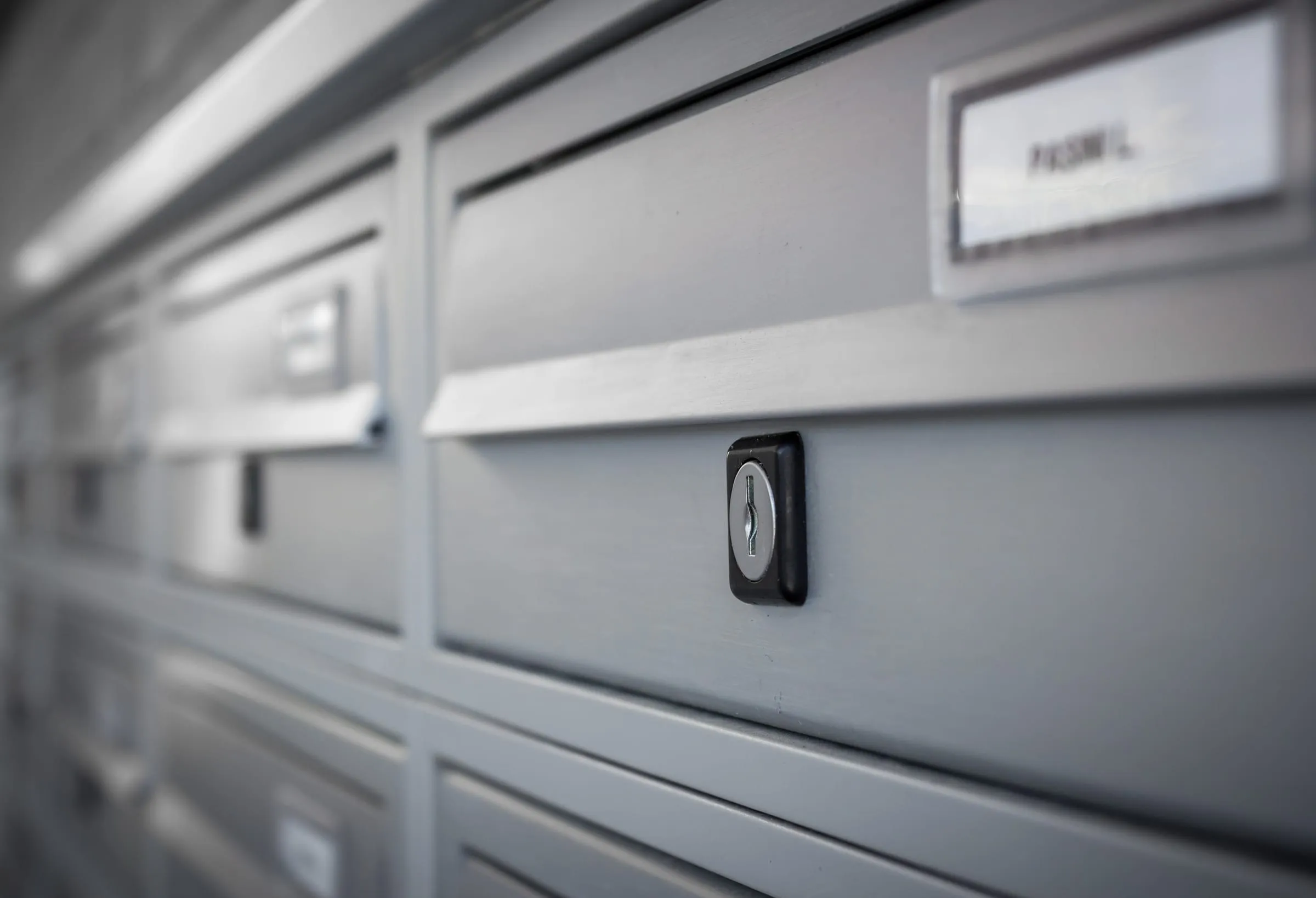
| Letterbox | Important mail from the authorities arrives by letter only. | Make sure your name is on the letterbox. |
| Other authorities | The certificate of registration makes the next steps possible. | Take care of your bank account, health insurance and, if needed, your residence permit. |
Avoiding common mistakes
- No name on the letterbox Your tax ID and official mail arrive by letter only.
- Certificate not checked A typo in your name or address is easiest to correct right at the appointment.
- Looking for an appointment too late Appointments are scarce in many cities. Start looking as soon as you know your move-in date.
- Certificates not clarified Documents in a foreign language sometimes need a translation. Ask beforehand.
Our tip: first the home, then everything else

Registration requires a fixed address. Many apprentices and students lose time in their first weeks because they do not have a home yet.
With a furnished room that you rent online before you arrive, you have an address from day one and all the documents you need for registration at hand.
Still looking for a room? Here you can see our available rooms in North Rhine-Westphalia.